
INSPIRING INDIAN PERSONALITY
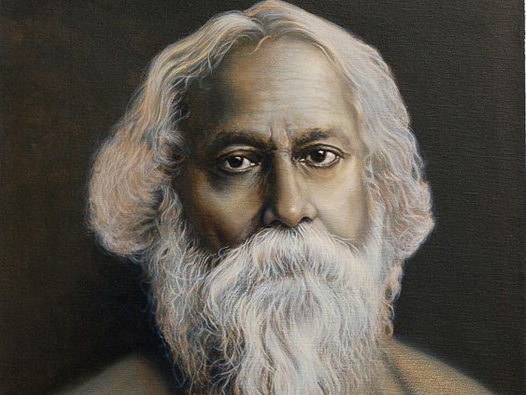
Rabindranath Tagore
Rabindranath Tagore, born on May 7, 1861, in Calcutta, India, was a polymath—poet, writer, philosopher, composer, and artist—who reshaped Bengali literature and music, and whose profound impact extended worldwide. The first non-European to win the Nobel Prize in Literature in 1913, Tagore's poetry and prose conveyed universal themes of love, nature, spirituality, and humanism, deeply influencing literature and thought globally. He is best known for composing the national anthems of India and Bangladesh, "Jana Gana Mana" and "Amar Shonar Bangla," respectively, symbolizing his enduring legacy as a cultural icon. Beyond literature, Tagore established the Visva-Bharati University in Santiniketan, promoting holistic education and cultural exchange, embodying his vision of learning rooted in humanity and universal values. Rabindranath Tagore's work continues to inspire generations, fostering a deep appreciation for creativity, harmony, and the interconnectedness of all humanity.